Business Visas

Mia Giacomazzi
Does Your Farm, Ranch or Other Animal Business Qualify for H-2A Visas?
Relevant tags(s):
H-2A
Agriculture
Compliance
Employer Compliance
Many farms and ranches assume H-2A is only for crop workers. The reality is more nuanced, and the distinction could transform how you staff your operation.
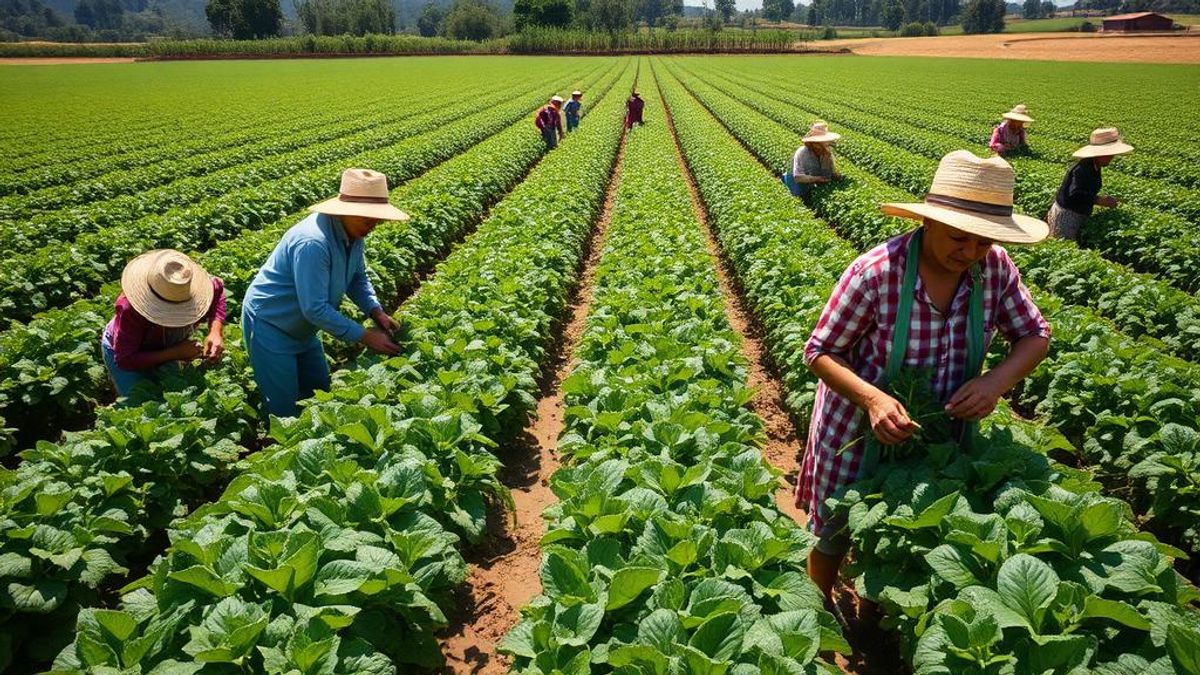
When most employers picture the H-2A visa program, they imagine rows of crops and workers planting, tending, and harvesting fruits and vegetables under a seasonal sun. While those workers do qualify, it leaves out a significant part of the story.
Under U.S. immigration and labor law, some animal-related jobs can qualify for the H-2A visa, and understanding which ones do can be the difference between a lawful, well-staffed operation and a costly compliance problem.
The core question is not simply whether your business involves animals. It comes down to two distinct legal inquiries: Is the work legally considered agricultural under the governing definitions? And is the employer's need temporary or seasonal rather than year-round?
For a viable H-2A visa, both of these questions must be a firm “yes.”
H-2A is broader than you might think
The H-2A program allows qualifying U.S. employers to bring foreign nationals into the country to fill temporary or seasonal agricultural jobs when there are not enough U.S. workers who are able, willing, qualified, and available — and when doing so will not adversely affect the wages and working conditions of similarly employed U.S. workers.
That framework is familiar to most people who've heard of the program. What's less commonly understood is how far the legal definition of "agricultural labor or services" actually extends.
The Department of Labor's H-2A regulations incorporate definitions of agricultural work from both the Internal Revenue Code and the Fair Labor Standards Act, and also recognize additional categories specific to H-2A purposes.
In practical terms, this means the program reaches well beyond crop harvesting. Livestock work, herding, range operations, and certain farm-based animal care roles can all fall within scope, provided the duties and the business model fit the legal framework.
According to the USDA Economic Research Service, agriculture, food, and related industries contributed roughly $1.537 trillion — about 5.5% of U.S. GDP — in 2023, underscoring the importance of employers' lawful, strategic planning for labor needs.
When animal work qualifies
Animal-related jobs are most likely to qualify for H-2A when the work is closely and genuinely tied to the raising, caring for, controlling, feeding, moving, tending, or producing of livestock or other animals as part of an agricultural operation.
The Department of Labor’s regulations expressly recognize special standards for herding or production of livestock on the range. This is a clear signal that at least some animal-related work sits squarely within the program's scope.
This means that range herders tending sheep, goats, or cattle can comfortably fit within the H-2A program. Workers caring for livestock as part of a farm or ranch operation can qualify. Certain horse-related jobs where the work is genuinely part of farm-based animal production or care may also be eligible.
The common thread is that the duties are directly tied to the husbandry or production of animals in a recognizably agricultural setting, not merely the presence of animals in the workplace.
It's important to emphasize that these examples flow from the statute and regulations, not from intuitions about what "sounds like" agriculture.
A horse does not automatically make a job agricultural. A pet services company, urban stable, or dog kennel is not going to become H-2A-eligible simply because animals are central to the business. The legal analysis always turns on the actual duties and business model, not on the species involved.
The real dividing line: temporary or seasonal need
Even when a job is genuinely agricultural, that alone is not sufficient. H-2A applies only when the employer's need is temporary or seasonal, meaning it is tied to a specific time of year by an event or pattern and requires labor levels above those necessary for ongoing operations. This is where many animal-related businesses run into trouble, and it is a more nuanced analysis than employers often expect.
Some animal work is genuinely cyclical in ways that support an H-2A argument. Lambing, calving, and foaling seasons create real labor spikes. Animals moving from open pasture to more labor-intensive housing or feeding routines at certain times of year can generate a qualifying seasonal need.
Range work tied to grazing seasons and weather patterns, or labor peaks connected to breeding and production cycles, for example, are the kinds of events that can push an employer's labor needs above their ordinary, ongoing level for a defined period of time.
But if an animal operation needs care labor at roughly the same level every day of the year, the position is unlikely to satisfy the temporary-or-seasonal requirement even if the underlying work is clearly agricultural. This is the central difficulty for many year-round animal businesses, and it explains why the analysis cannot stop at "we work with livestock."
Why dairies and similar year-round operations face challenges
Dairy employers frequently explore H-2A as a solution to persistent labor shortages, but these cases are often difficult. The challenge is that milking cows every day of the year is structurally the opposite of seasonal. When an employer cannot demonstrate a labor need that rises above ordinary ongoing operations for a limited, non-permanent period, the H-2A framework does not provide a clean fit.
That said, a single farm or ranch can contain multitudes. One operation might have some roles that fit H-2A naturally, such as a seasonal herding need tied to a defined grazing period, alongside other roles that are better classified as year-round positions not suited to the program.
Treating all animal-related jobs as interchangeable within a single business is one of the most common and avoidable errors employers make when exploring H-2A. A careful, role-by-role analysis can reveal options that a more superficial review would miss entirely.
What employers need to evaluate before filing
For farms, ranches, equine operations, and livestock businesses exploring H-2A, the starting point should not be "do we work with animals?" The better question is whether the specific jobs at issue can satisfy the legal framework.
That means examining the specific duties involved and whether they constitute agricultural labor or services under the Department of Labor’s definitions. It means identifying whether the need is genuinely temporary or seasonal, and being able to articulate the business event or pattern, such as birthing season, grazing cycles, breeding windows, that creates that need. Additionally, it means ensuring that the duties described in the job order accurately reflect what workers will actually be doing, in line with job order disclosure requirements.
H-2A compliance obligations to consider
Employers also need to reckon honestly with H-2A's compliance obligations, which extend well beyond the visa itself. H-2A is both a worker-protection program and an immigration pathway.
Per DOL Fact Sheet #26, employers must comply with required wage rules, provide free housing to workers who cannot reasonably return to their residence at the end of each workday, and satisfy transportation and disclosure requirements that catch many first-time filers off guard.
The three-fourths guarantee, which requires employers to guarantee work for at least 75% of the workdays in the contract period, is another obligation that can be consequential in practice.
For animal-related businesses in rural or remote areas, the housing requirement deserves particular attention. DOL's H-2A housing standards regulate not just whether housing is provided but the standards the housing must meet, as well as meal and kitchen arrangements. Employers who underestimate these logistics often encounter difficulties mid-process that could have been addressed earlier with better planning.
The strongest cases are built before filing
H-2A eligibility for animal-related jobs is highly fact-specific. This qualification means that the same general industry, including livestock, equine operations, and ranching, can include positions that belong in H-2A, positions that do not, and positions that may be better addressed through a different visa strategy.
What separates a filing that succeeds from one that creates unnecessary risk is usually not the nature of the animals involved, but the quality of the legal analysis underlying the petition.
That analysis works best when it happens early, before filing, with careful attention to the actual job duties, the genuine business cycle, the timing of the labor need, and the supporting evidence an employer can credibly provide.
It also requires honest engagement with the compliance obligations on the other side of approval because a visa that creates downstream wage, housing, or disclosure violations is not a solution.
Animal agriculture is a vital part of the U.S. economy, and the H-2A program exists precisely to help qualifying operations address legitimate labor needs legally. For businesses that do the work of building a strong, accurate case, it can be a powerful tool. For those who assume eligibility based solely on industry, the path tends to be considerably more complicated.
Ready to evaluate your H-2A options?
Whether you're running a ranch, an equine operation, a livestock farm, or another animal-related business, Denizen Immigration can help you understand exactly where you stand and build a strategy that fits your actual labor needs. A careful review on the front end can make the difference between a filing strategy that works and one that creates unnecessary risk later.
Contact Denizen Immigration today to start the conversation.
FAQ: H-2A for Animal-Related Jobs
Can animal-related jobs qualify for H-2A?
Yes. Some animal-related jobs can qualify for H-2A if they involve agricultural labor or services of a temporary or seasonal nature. The analysis is not just about whether the worker is around animals. It depends on whether the job is legally agricultural and whether the employer’s need is temporary or seasonal rather than year-round. See USCIS H-2A overview.
Are livestock jobs considered agricultural for H-2A purposes?
Often, yes. Jobs involving livestock can qualify when they are part of agricultural operations and fit DOL’s definitions of agricultural labor or services. That is especially true in contexts like ranching, livestock production, and certain herding-related roles. See 20 CFR § 655.103.
Do horse-related jobs qualify for H-2A?
Some do and some do not. A horse-related job is not automatically agricultural just because it involves animals. The answer depends on the actual duties, the setting, and whether the work is part of an agricultural operation with a temporary or seasonal labor need. In some cases, horse-related work may fit H-2A; in others, it may be better analyzed under a non-agricultural category. See USCIS H-2A overview and 20 CFR Part 655.
Why are some year-round animal jobs harder to fit into H-2A?
Because H-2A requires a temporary or seasonal need. Even if the work is agricultural, a year-round need at roughly the same labor level can be a problem. That is why year-round operations often face more difficulty under H-2A. See USCIS H-2A overview and 20 CFR § 655.103.
Can a dairy use H-2A workers?
Dairy employers often explore H-2A, but these cases can be difficult because the government may view the labor need as continuous rather than temporary. The challenge is often not whether the work is agricultural. It is whether the employer can prove a qualifying temporary or seasonal need. See USCIS H-2A overview.
What matters more for H-2A: the job title or the actual duties?
The actual duties matter more. Employers should focus on what workers will really be doing, how the work fits into the agricultural operation, and why the labor need is temporary or seasonal. General labels like “ranch hand” or “horse worker” are not enough on their own. See 20 CFR § 655.103.
Can one animal-related business have some positions that qualify for H-2A and others that do not?
Yes. A single farm, ranch, or equine operation can have different job categories, and each may need to be analyzed separately. Some duties may fit H-2A, while others may not. See 20 CFR § 655.103.
What should an employer evaluate before filing an H-2A case for animal-related work?
At a minimum, the employer should evaluate:
the specific job duties
whether the work is agricultural under DOL rules
whether the need is seasonal or temporary
how the business cycle creates that need
whether housing, transportation, and other H-2A obligations can be met
See 20 CFR § 655.103, DOL Fact Sheet #26, and DOL Fact Sheet #26B.