Business Visas

Mia Giacomazzi
Which Work Authorization Options Fit Landscaping Companies, Farms, and Quarries Best?
Executive Summary
Landscaping companies, farms, and quarries win when workers show up on the exact weeks production spikes. H-2B fits seasonal outdoor install crews and many quarry ramp-ups, while H-2A fits farm work and plant production in nurseries and greenhouses. After a few seasons, green cards through PERM can turn your best returning workers into long-term crew leaders.
Every busy season has a countdown clock. Grass keeps growing, crops ripen, and orders stack up, whether staffing is ready or not. Work authorization choices decide whether crews arrive early, late, or not at all. Employers who match authorization types to real job needs build staffing plans that hold together year after year. Your hiring plan has to match how your operation runs in real life—by season, by project window, and by production cycle.
Phones ring, bids turn into signed contracts, and the calendar makes the call. One week you’re fine. The next week, you’re short five people, and a machine sits idle because there’s no one to run it.
For seasonal crews, H-2B can solve the “workers show up when you need them” problem. In other words, when you treat it like a production schedule, not a last-minute rescue. The program runs on fixed filing windows and a hard annual cap, so late planning turns into missed start dates. Early job dates, tight role descriptions, and a repeatable returnee plan keep crews arriving on time and coming back next season.
Landscaping Companies: H-2B for Seasonal and Peakload Crews
The H-2B visa is ideal for landscaping companies facing fluctuating labor demands throughout the year. Whether you need workers for a few months or peak seasons, H-2B provides access to a reliable workforce without the cost and commitment of permanent hires.
How H-2B Visas Support Landscaping and Seasonal Workforce Needs
Seasonal Landscaping and Installation Crews: Use H-2B workers for landscaping installation projects, including new garden layouts, commercial landscaping, and residential installations during busy spring and summer months.
Hardscaping and Specialty Construction Projects: H-2B workers can assist with hardscaping services like patios, retaining walls, stone pathways, and other construction-related landscaping tasks that see high demand seasonally.
Irrigation Installation and Seasonal Maintenance: Irrigation systems require skilled labor for installation and upkeep. H-2B visas allow you to staff up for irrigation projects and seasonal maintenance, ensuring customer satisfaction and operational efficiency.
Tree Trimming and Removal Services: Tree care businesses often experience spikes due to weather events or contracts. H-2B temporary workers help handle tree trimming, pruning, and removal during peak times without the overhead of full-time employees.
Lawn Maintenance and Routine Seasonal Services: During the busy months, additional workers are needed for lawn care, mowing, fertilizing, and pruning. H-2B workers can support these ongoing seasonal landscaping tasks.
Managing Peak-Load and Contract-Driven Labor Needs: If your core team can’t handle short-term surges, H-2B workers fill the gap for peak-load staffing needs, helping you meet contract deadlines and seasonal customer demand.
Using H-2B workers helps landscaping companies:
• Maintain consistent service levels during peak seasons
• Complete large installation and hardscaping projects on schedule
• Meet customer expectations for timely irrigation and tree services
• Avoid the expense and commitment of year-round permanent hires
• Stay competitive by managing labor costs effectively
Farms, Nurseries, and Greenhouses: H-2A for Plant Production and Farm Work
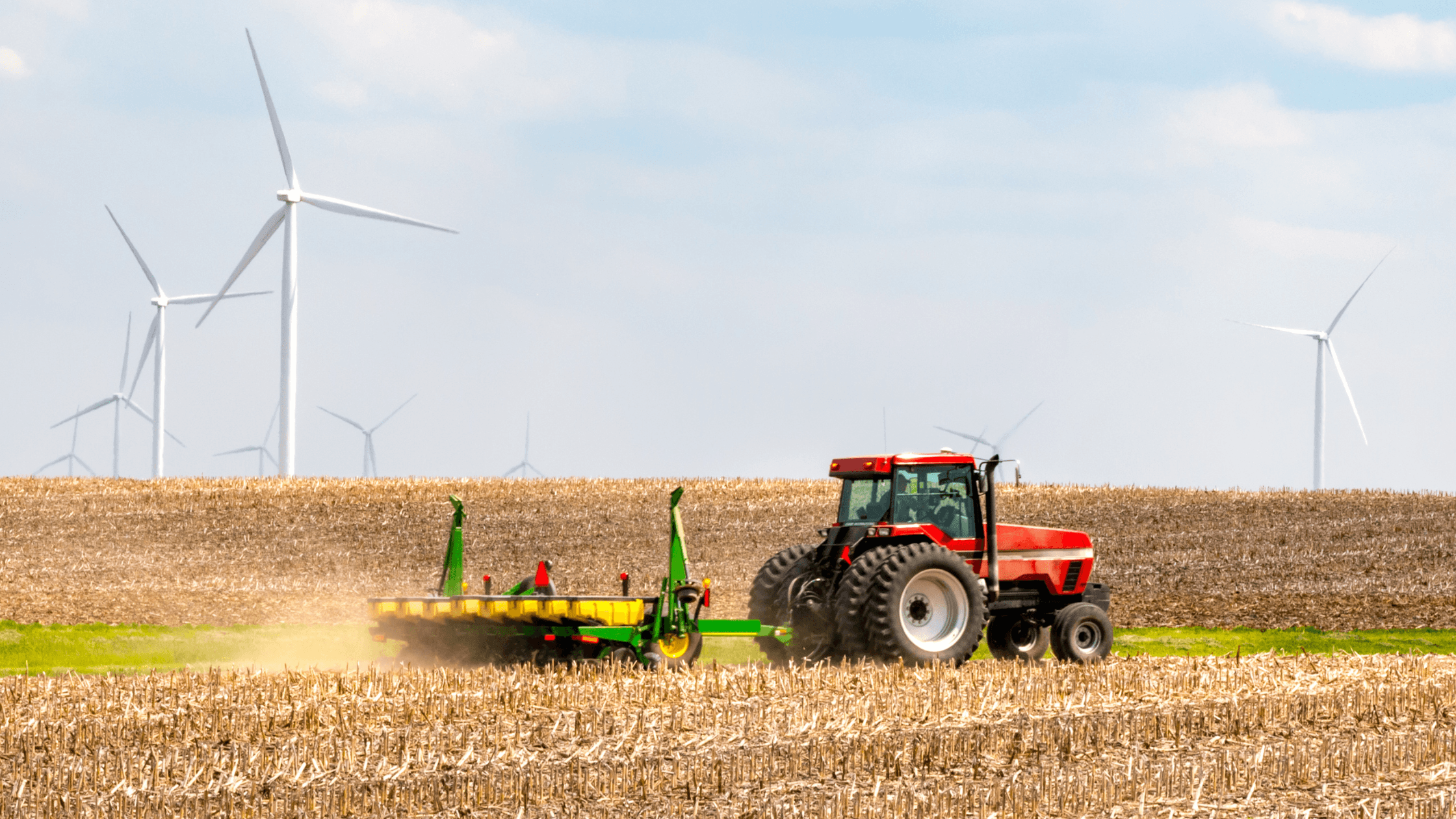
H-2A is the workhorse for farms and agricultural production. Unlike H-2B, H-2A has no annual cap, so you’re not competing for a fixed nationwide number.
This is where many “landscaping companies” quietly have a second lane: plant production. If you grow trees, shrubs, or bedding plants in a nursery or greenhouse, H-2A can fit that production work even when your install crews run under H-2B. Keep operations cleanly separated (different roles, different timelines, clear work-site planning) so workers remain authorized for the work they actually perform.
Business outcome: no gaps in production, and you can staff longer stretches that match planting, potting, and cultivation cycles.
Quarries: H-2B When Demand Spikes with the Build Season
Quarries often live on the same calendar as road and site work. When orders surge for a defined window, H-2B can work if you can document a temporary need that fits one of the recognized categories (seasonal, peak-load, intermittent, or one-time).
Build your case like an operator, not a marketer. Tie headcount to production schedules, signed supply commitments, and historic tonnage. Use job dates that match your true ramp-up and ramp-down. And remember: H-2B temporary need usually won’t be approved beyond 9 months (with limited exceptions), so map staffing to the part of the year where shortages hurt most.
Business outcome: you keep production moving during the crush, with fewer missed deliveries and fewer shutdown days.
Lock in Your Best People: Green Cards Through PERM
Seasonal programs solve the surge. PERM-based green cards solve retention. After you’ve built returning crews, select the workers who show up, lead well, and lift output, then sponsor them for permanent roles that support year-round operations.
Business outcome: experienced crew leaders stay, training gets easier, and annual recruiting costs drop.
Build a Staffing Plan That Holds
Denizen Immigration helps employers build seasonal hiring plans that match real production cycles, and keep workers authorized from season to season. If you’re tired of staffing emergencies, ask Denizen to map the options that fit your calendar, your worksites, and your must-fill roles. You’ll get a plan built for crews that return and operations that keep moving.